Closing Night, Opening Chapter: American Musicals That Died on Broadway and Rose From the Ashes
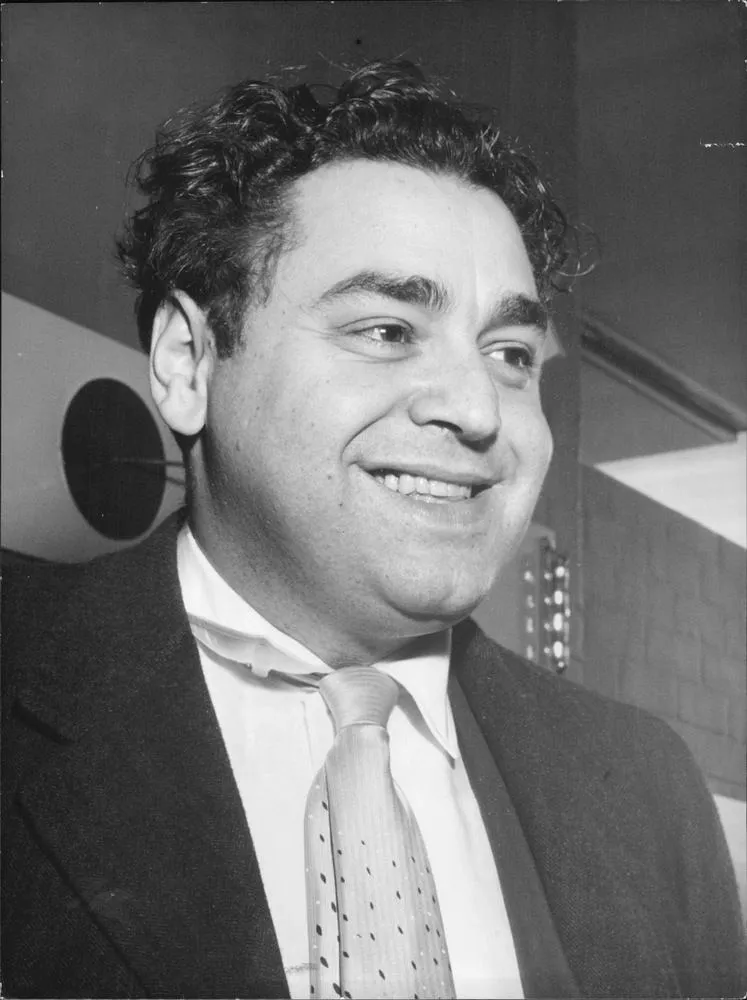
Photo: Unknown photographer, Public domain, via Wikimedia Commons
Broadway has a brutal memory. A musical opens, the reviews land, the box office stalls, and within weeks the marquee comes down and the cast album becomes a collector's item. Except sometimes—gloriously, inexplicably—the story doesn't end there. Some of the most cherished works in the American musical theater were pronounced dead on arrival, only to be resurrected by stubborn fans, adventurous regional theaters, and the slow-turning wheel of taste.
Here are the stories of shows that bombed first and became canon second.
1. * Merrily We Roll Along * (1981)
Stephen Sondheim and George Furth's backward-running saga of compromised friendship collapsed after just 16 performances, undone in part by a much-mocked design and a cast of teenagers playing middle age. Its cast album, recorded the day after the closing notice went up, became a cult scripture. Over the following decades, revisions by director Maria Friedman and others transformed the piece, culminating in a 2023 Broadway revival that became an improbable commercial smash. The show that couldn't survive a month in 1981 sold out in 2023.
2. The Mystery of Edwin Drood (1985) — Well, Almost
Not every near-death story ends in death. Rupert Holmes's audience-voted whodunit opened to a divided press and nervous producers who trimmed its marketing budget mid-run. What saved it was the thing critics initially found gimmicky: the audience choosing the murderer every night. Word of mouth, the original viral marketing, carried it to a healthy run and a Tony. A reminder that some "flops" are really just shows the reviewers didn't see coming.
3. Anyone Can Whistle (1964)
Nine performances. That is the entire original Broadway life of Sondheim and Arthur Laurents's satirical fever dream about a bankrupt town, a fake miracle, and a nurse who gets sanity wrong on purpose. The 1964 opening night audience reportedly jeered; the cast album, taped in a single marathon session, became a lifelong obsession for musical theater obsessives. City Center's Encores! staging in 2010, with Sutton Foster and Audra McDonald, treated it not as a curiosity but as a masterpiece ahead of its clock.
4. The Scottsboro Boys (2010)
Susan Stroman and the Kander and Ebb team's minstrel-show framing of one of America's gravest miscarriages of justice closed after 49 performances—the final collaboration of Kander and Ebb, dead on Broadway. Then came the Off-Broadway record-breakers, the London transfer, the ten Tony nominations, and a national conversation about who gets to tell which stories on stage. The show's afterlife did what its first life couldn't: it made the case for its own daring.
5. Passing Strange (2008)
Never a true flop—critics liked it—but a commercial nonentity that closed within months. Its true canonization came later and elsewhere: the Spike Lee film of the original cast, the enduring cult around Stew's score, and a generation of theatermakers who cite it as the reason they believed a different kind of American musical was possible.
What the Afterlife Teaches Us
The pattern is instructive. Flop-to-canon shows tend to be formally ambitious, arriving a decade or two ahead of the audience's appetite. They survive because the cast album gives them a life outside the theater, because regional theaters—a risk-tolerant ecosystem America should protect—keep producing them, and because devoted fans do the slow, unglamorous work of advocacy.
Revival culture, in other words, is not nostalgia. It is a national editing process, run on timescales longer than any single production, any single review, or any single closing notice. Broadway decides in weeks what America decides in decades. And America, occasionally, gets it right the second time.